


Какие правила регулируют использование сельскохозяйственных дронов в разных странах?
Анализ технологий, областей применения и отраслевых тенденций в сфере промышленных беспилотных летательных аппаратов.
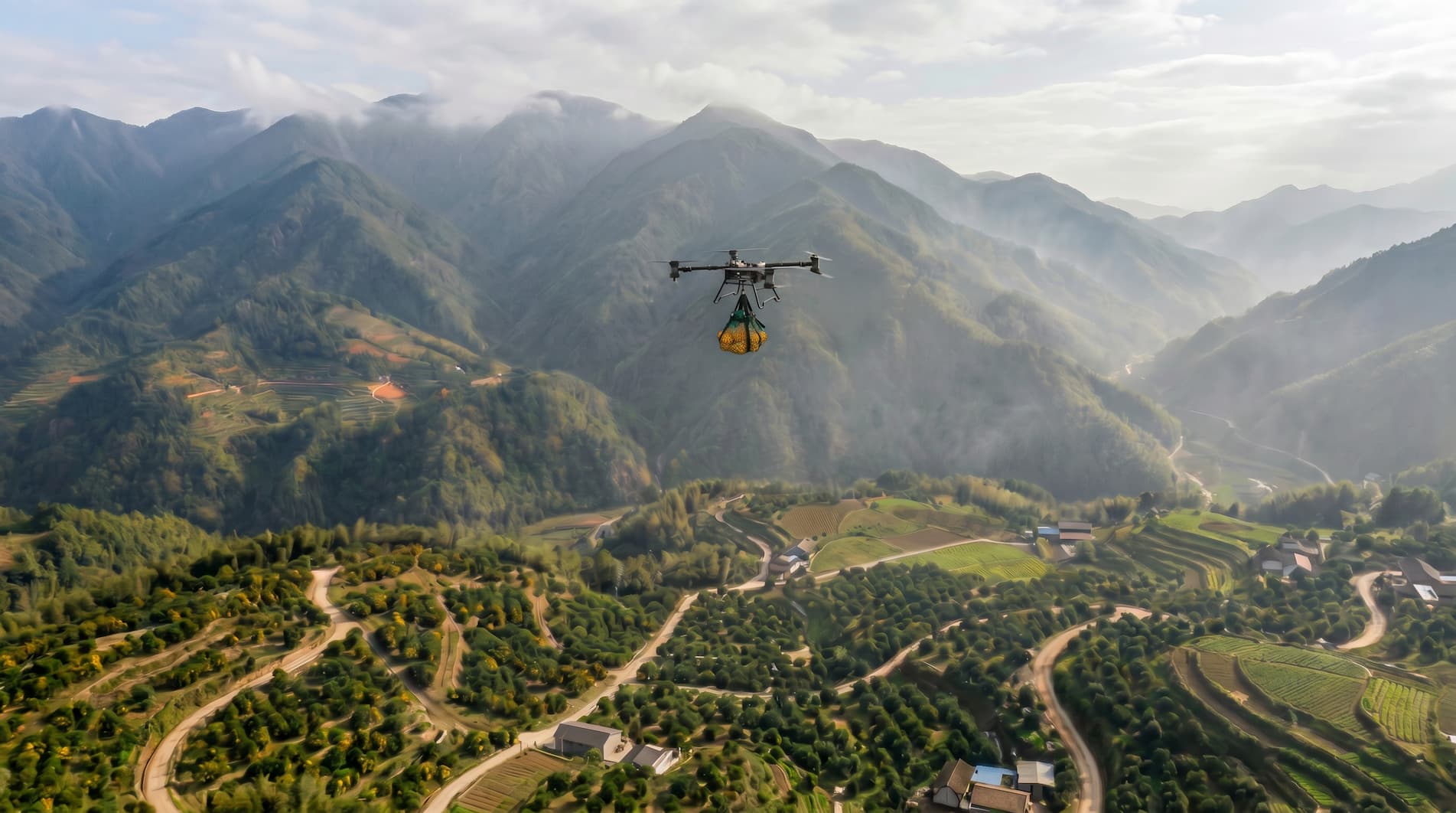
Как сельскохозяйственные дроны Поскольку эти системы все шире используются для опрыскивания, посева, картирования и мониторинга полей, регулирование играет все более важную роль в определении того, как и где их можно использовать. Хотя технология является глобальной, правила — нет. Каждая страна подходит к регулированию использования сельскохозяйственных дронов по-разному, исходя из управления воздушным пространством, соображений безопасности и местных сельскохозяйственных практик.
В этой статье представлен практический обзор различий в правилах регулирования использования сельскохозяйственных дронов в разных регионах, а также того, на что операторам, дистрибьюторам и производителям следует обращать внимание в целом.
Почему важны правила регулирования использования сельскохозяйственных дронов
—
В большинстве стран сельскохозяйственные дроны рассматриваются иначе, чем потребительские дроны. Обычно они включают в себя:
- Более тяжёлый взлётный вес
- Полеты на малых высотах над сельскохозяйственными культурами.
- Жидкие грузы, такие как пестициды или удобрения.
- Коммерческое или профессиональное использование
В связи с этим регулирующие органы часто предъявляют дополнительные требования, касающиеся квалификации пилотов, сертификации воздушных судов, разрешения на эксплуатацию и правил применения химических веществ. Понимание этих требований крайне важно перед выходом на новый рынок или началом деятельности.
В Соединенные ШтатыИспользование сельскохозяйственных дронов регулируется в основном Федеральным управлением гражданской авиации (FAA), а также осуществляется надзор со стороны государственных и природоохранных ведомств.
Ключевые моменты включают:
- Большинству пилотов сельскохозяйственных дронов необходимо иметь сертификат пилота дистанционного управления (Part 107).
- Для более тяжелых сельскохозяйственных дронов могут потребоваться исключения или разрешения, особенно в отношении веса и работы в ночное время.
- Применение химических средств защиты растений регулируется отдельно в соответствии с законодательством Агентства по охране окружающей среды (EPA) и законами штатов о пестицидах.
- Как правило, действуют ограничения по прямой видимости и высоте, если не получено специальное разрешение.
В США нормативно-правовая среда структурирована и четко определена, однако соблюдение требований часто включает в себя взаимодействие нескольких органов власти, а не только авиационных регуляторов.
В ЕвросоюзБеспилотные летательные аппараты регулируются в рамках общей системы EASA (Европейское агентство по авиационной безопасности). Хотя EASA определяет общие категории и концепции, основанные на оценке рисков, эксплуатация сельскохозяйственных беспилотников в основном регулируется на национальном уровне.
На практике:
- Сельскохозяйственные дроны обычно относятся к специальной категории, но процедуры утверждения различаются в зависимости от страны.
- Опрыскивание сельскохозяйственных культур и применение химических средств регулируются отдельно, зачастую национальными сельскохозяйственными или природоохранными органами.
- В некоторых странах ЕС разрешено опрыскивание сельскохозяйственных полей дронами при соблюдении определенных условий, в то время как другие вводят строгие ограничения или полностью запрещают эту практику.
- Для сертификации эксплуатанта, получения разрешения на эксплуатацию воздушного судна и оперативных разрешений может потребоваться согласование с конкретной страной.
В результате в ЕС отсутствует единый, унифицированный нормативный путь для сельскохозяйственных дронов. Операторам и производителям, как правило, приходится оценивать нормативные акты в каждой стране отдельно, часто с участием местных партнеров или органов власти.
Австралия Регулирование использования дронов осуществляется через CASA (Управление гражданской авиации).
Для сельскохозяйственных операций с использованием дронов:
- Для коммерческого использования, как правило, требуется лицензия пилота дистанционного управления или оперативная аккредитация.
- Для использования более тяжелых дронов или проведения операций по опрыскиванию могут потребоваться дополнительные разрешения.
- К работе вблизи людей, имущества и инфраструктуры применяются строгие правила.
Австралийская система четкая и прозрачная, но по сравнению с некоторыми регионами, процедуры утверждения передовых сельскохозяйственных операций могут быть более консервативными.
Такие страны, как Таиланд, Вьетнам, Индонезия и Малайзия. Наблюдается стремительный рост использования сельскохозяйственных дронов, однако нормативные акты все еще находятся в стадии разработки.
К общим характеристикам относятся:
- Требования к регистрации в органах управления авиацией
- Разрешение на импорт и частоту использования оборудования для дронов.
- Местные разрешения на распыление химикатов
- В некоторых случаях существуют региональные программы подготовки пилотов.
Поскольку нормативные требования часто меняются, местные партнеры и дистрибьюторы играют решающую роль в обеспечении их соблюдения.
Ключевые темы регулирования в разных странах
—
Несмотря на региональные различия, большинство правил регулирования использования сельскохозяйственных дронов сосредоточены на нескольких общих областях:
1. Квалификация пилота
Требования к обучению, сертификации или лицензированию для профессиональных операторов
2. Соответствие воздушных судов требованиям
Регистрация, утверждение модели или техническая документация
3. Эксплуатационные ограничения
Правила, касающиеся высоты, расстояния, прямой видимости и условий эксплуатации.
4. Контроль применения химических веществ
Существуют отдельные законы, регулирующие опрыскивание пестицидами и удобрениями.
5. Ответственность за данные и безопасность
Ведение документации, бортовые журналы и составление отчетов об инцидентах.
Понимание этих общих тем облегчает оценку новых рынков, даже если детальные правила различаются.
С точки зрения таких производителей, как TopXGunНесмотря на то, что компании, работающие с партнерами по сельскохозяйственным дронам в различных регионах, нормативные требования значительно различаются от страны к стране. Практическое внедрение часто зависит не только от правил авиации, но и от местной сельскохозяйственной и экологической политики. Для операторов, дистрибьюторов и производителей ключевым моментом является не только знание технологии, но и понимание того, как местные правила влияют на ее реальное использование. Постоянное информирование, сотрудничество с местными властями и адаптация оперативных методов являются важными шагами к долгосрочному успеху на мировых рынках сельскохозяйственных дронов.