


Подходят ли сельскохозяйственные дроны для малых и средних фермерских хозяйств?
Анализ технологий, областей применения и отраслевых тенденций в сфере промышленных беспилотных летательных аппаратов.
Сельскохозяйственные дроны Дроны часто ассоциируются с крупными сельскохозяйственными предприятиями, но в последние годы все больше малых и средних ферм начинают внедрять эту технологию. Вопрос, который задают многие фермеры, прост: действительно ли сельскохозяйственные дроны практичны для ферм с ограниченной площадью и бюджетом?
Короткий ответ: да, при правильном использовании сельскохозяйственные дроны могут стать экономически эффективным и универсальным инструментом для малых и средних фермерских хозяйств.
Более низкий порог входа по сравнению с традиционным оборудованием.
—
По сравнению с крупными наземными опрыскивателями или пилотируемыми летательными аппаратами, сельскохозяйственные дроны требуют меньших первоначальных инвестиций, минимальных изменений инфраструктуры и не нуждаются в широких подъездных дорогах или ровной местности. Для ферм, работающих на неровной местности, склонах холмов, в садах или на разрозненных участках, дроны предоставляют преимущество, которое часто недоступно традиционной технике.
Гибкая эксплуатация для различных видов сельскохозяйственных культур.
—
На небольших и средних фермах часто выращивают несколько культур, а не один крупный сорт. Сельскохозяйственные дроны легко адаптируются к такому разнообразию.
Они широко используются для полевых культур, таких как пшеница, рис и кукуруза, в садах и виноградниках, для овощей и специализированных культур. Регулируемые параметры опрыскивания и планирование полета позволяют операторам адаптировать каждую операцию к конкретным потребностям культуры, повышая эффективность без чрезмерного расхода ресурсов.
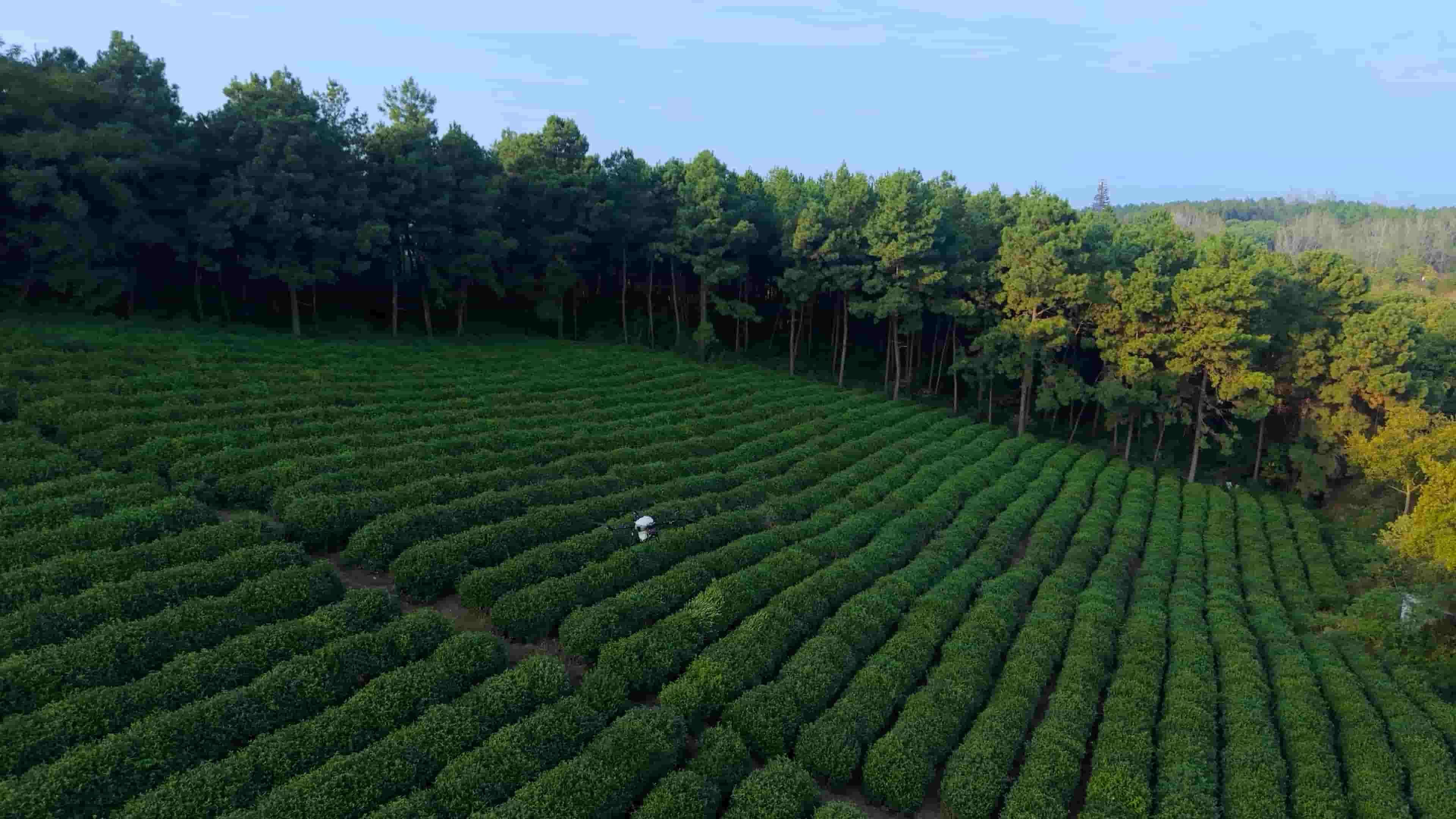
Снижение рабочей силы
—
Доступность рабочей силы по-прежнему остается проблемой для фермерских хозяйств всех размеров. Дроны помогают снизить зависимость от ручного опрыскивания и трудоемких полевых работ.
Дроны, управляемые одним оператором, позволяют быстро обрабатывать поля, выполнять точное опрыскивание в короткие промежутки времени, снижая физическую нагрузку и воздействие химикатов. Это делает их особенно подходящими для семейных ферм или предприятий с ограниченным штатом сотрудников.
Повышение эффективности за счет целевого применения
—
Для небольших фермерских хозяйств затраты на ресурсы часто составляют значительную часть общих расходов. Сельскохозяйственные дроны помогают в точечном применении химикатов, позволяя фермерам вносить их только там, где это необходимо.
Это приводит к снижению потребления пестицидов и удобрений, более равномерному росту урожая и уменьшению риска чрезмерного применения. Со временем эти преимущества в эффективности могут компенсировать первоначальные инвестиции в оборудование для дронов.
Освоить материал оказалось проще, чем ожидалось.
—
Современные сельскохозяйственные дроны Разработаны с учетом удобства использования. Такие функции, как автоматическое планирование полета, стабильное управление высотой и обнаружение препятствий, делают управление более доступным — даже для начинающих пользователей.
Пройдя базовое обучение, многие владельцы небольших и средних фермерских хозяйств могут быстро освоить управление дронами, самостоятельно проводить плановое техническое обслуживание и интегрировать дроны в обычные рабочие процессы фермы.
Сельскохозяйственные дроны подходят не только для крупных предприятий. Для малых и средних ферм они обеспечивают гибкость, эффективность и лучший контроль над повседневными операциями.
Поскольку сельское хозяйство все больше ориентируется на данные и требует оперативности, дроны помогают небольшим фермам оставаться конкурентоспособными, одновременно более эффективно управляя затратами и трудовыми ресурсами.
TopXGun Мы разрабатываем сельскохозяйственные дроны с учетом реальных условий ведения сельского хозяйства. Наши решения предназначены для поддержки ферм любого размера, помогая производителям повышать эффективность и производительность без излишней сложности.