

Каким образом сельскохозяйственные дроны помогают увеличить урожайность?
Анализ технологий, областей применения и отраслевых тенденций в сфере промышленных беспилотных летательных аппаратов.
Повышение урожайности всегда было приоритетом для фермеров, но современное сельское хозяйство сталкивается с растущими проблемами: нехватка рабочей силы, рост затрат на ресурсы, неравномерность полей и непредсказуемая погода. Сельскохозяйственные дроны Они стали практическим инструментом для решения этих проблем, помогая фермерам принимать более взвешенные решения и более эффективно управлять полями.
Вместо того чтобы заменять традиционные методы ведения сельского хозяйства, дроны дополняют их, обеспечивая точность, стабильность и аналитические данные. Вот как сельскохозяйственные дроны напрямую способствуют повышению урожайности.
1. Более точное и эффективное опрыскивание сельскохозяйственных культур.
—
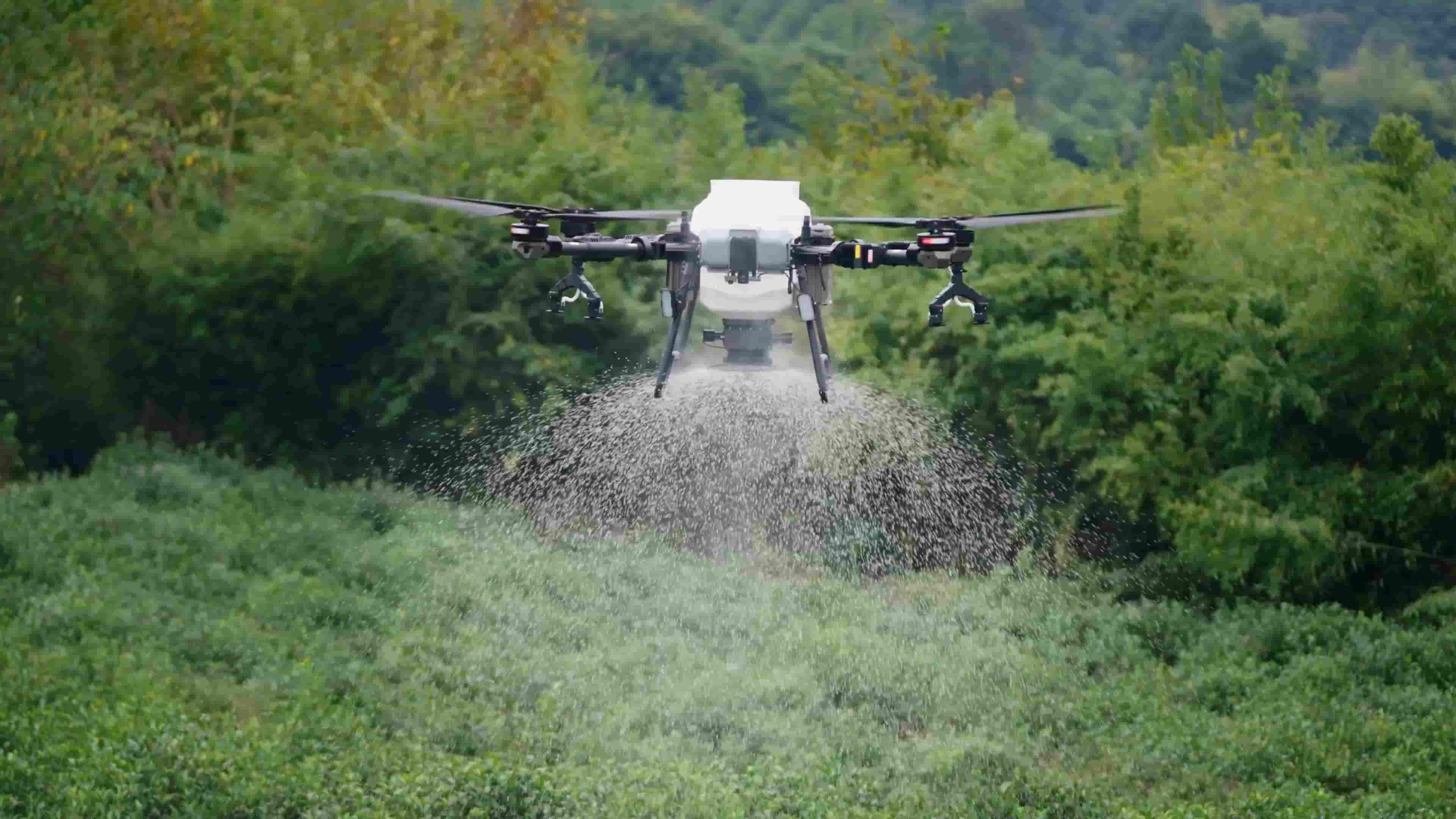
Один из наиболее прямых способов повышения урожайности с помощью дронов — это точное опрыскивание. В отличие от традиционной наземной техники, сельскохозяйственные дроны равномерно распределяют пестициды, гербициды и удобрения по посевам, поддерживая при этом стабильную высоту полета. Это обеспечивает равномерное покрытие поля, уменьшает перекрытие и количество пропущенных участков, а также снижает расход химических веществ.
Благодаря внесению необходимого количества удобрений и средств защиты растений в нужное место, обеспечивается лучшая защита сельскохозяйственных культур от вредителей и болезней, что приводит к более здоровому росту и повышению урожайности.
2. Снижение стресса для растений и повреждения почвы.
—
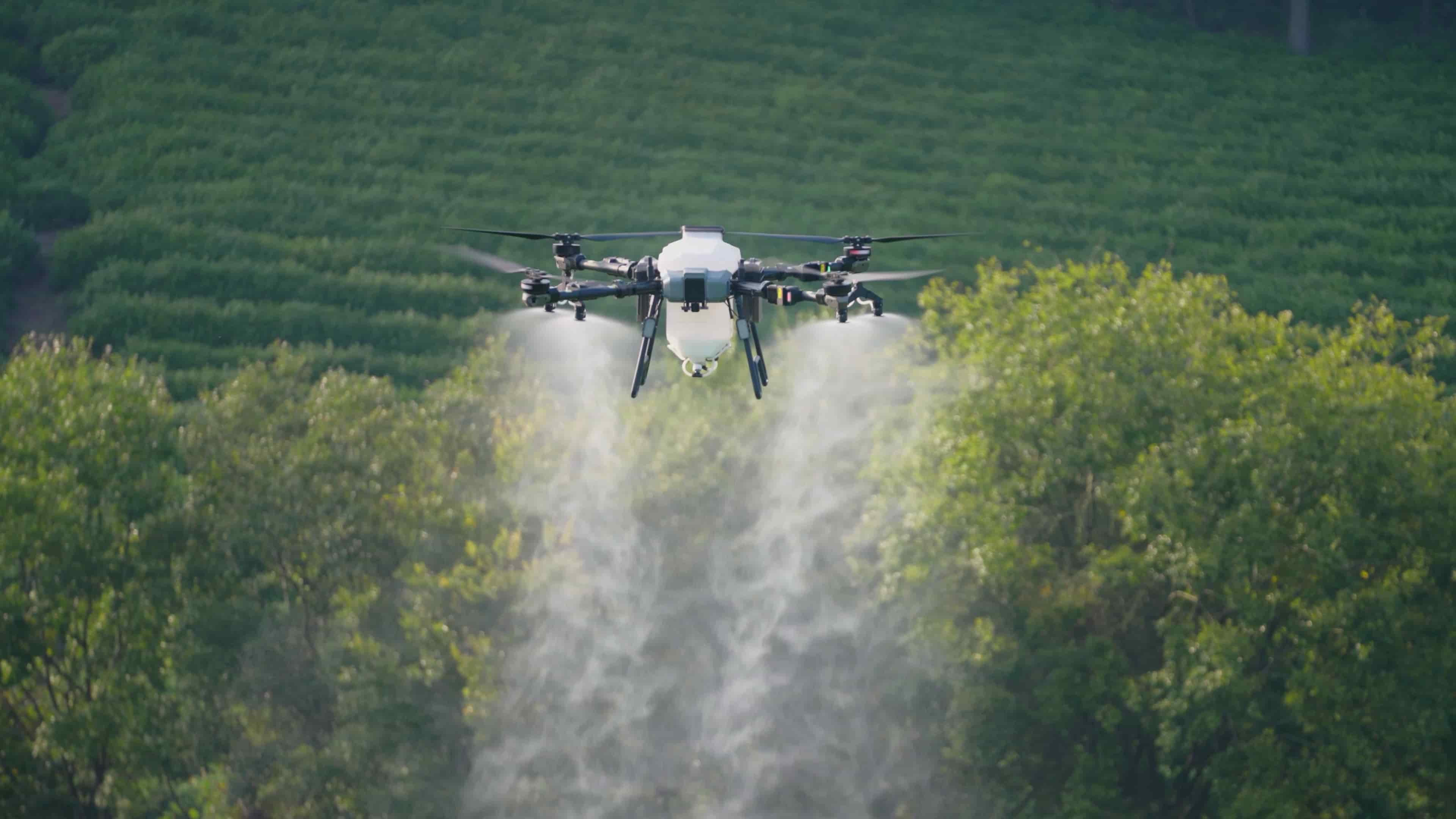
Тяжелая техника может уплотнять почву и повреждать урожай, особенно на влажных или неровных полях. Дроны работают над посевами, полностью исключая контакт с землей. Это помогает фермерам избежать уплотнения почвы, защитить молодые или нежные растения и получить доступ к полям после дождя или полива. Более здоровая структура почвы приводит к более сильному развитию корневой системы, что напрямую способствует лучшему усвоению питательных веществ и повышению урожайности в долгосрочной перспективе.
3. Раннее выявление проблем с урожаем
—
Благодаря возможностям аэромониторинга и картографирования, дроны помогают фермерам выявлять проблемы до того, как они распространятся. Используя аэрофотосъемку с помощью дронов, фермеры могут на ранних стадиях обнаруживать вспышки вредителей или болезней, выявлять дефицит питательных веществ и обнаруживать проблемы с орошением или неравномерный рост. Раннее вмешательство позволяет проводить целенаправленную обработку вместо обработки всего поля, снижая потери и сохраняя потенциал урожая.
4. Улучшение управления полевыми работами за счет данных.
—
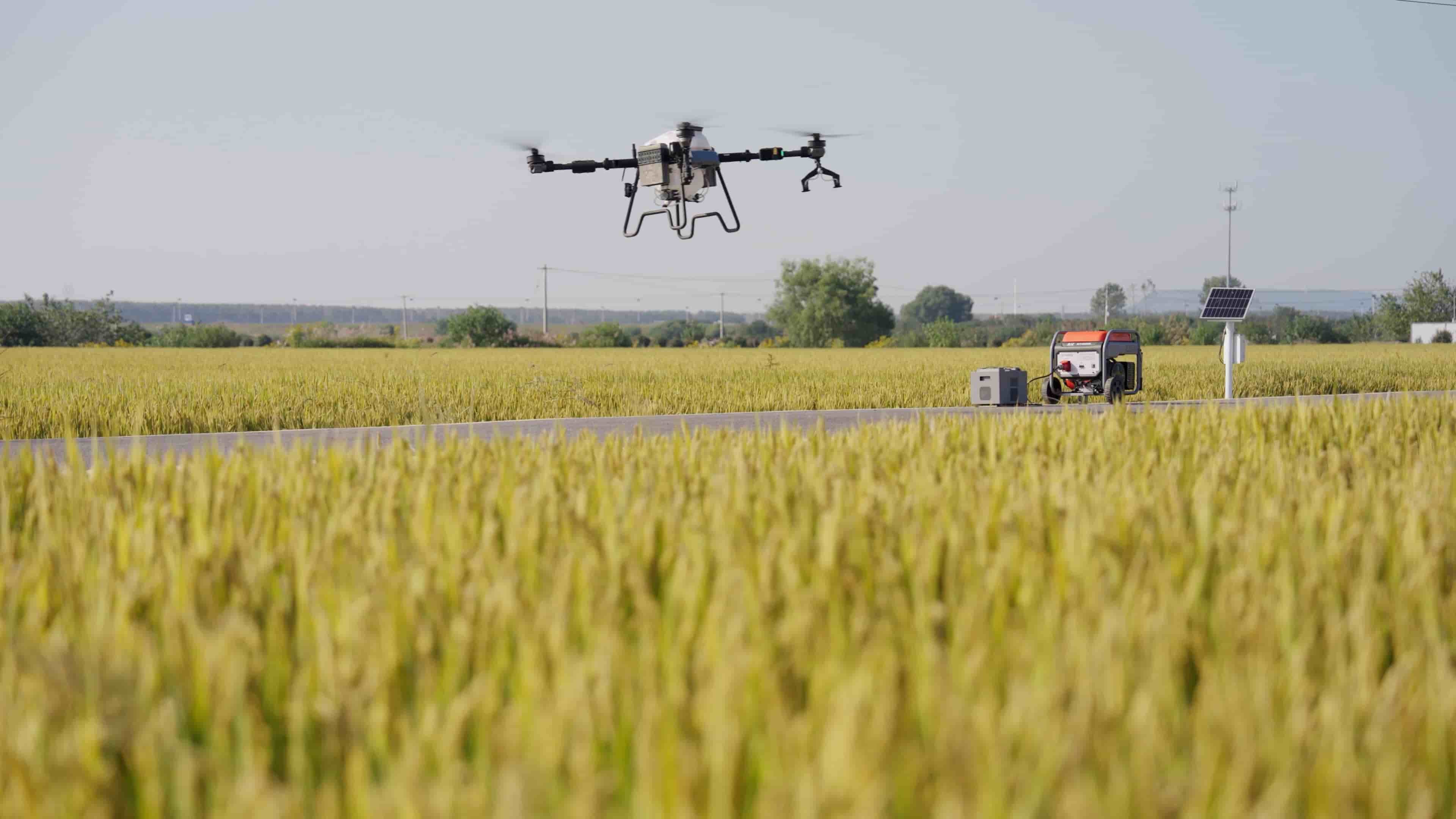
Сельскохозяйственные дроны предоставляют не только визуальную информацию; они генерируют данные, пригодные для принятия решений. Предварительное картирование и анализ поля позволяют фермерам понимать изменчивость поля, корректировать планы опрыскивания в зависимости от состояния посевов и оптимизировать стратегии посадки и внесения удобрений. Управляя полями на основе реальных условий, а не предположений, фермеры могут постоянно повышать урожайность из сезона в сезон.
5. Более оперативная работа в критические периоды роста.
—
В сельском хозяйстве крайне важен правильный выбор времени. Задержки в опрыскивании или обработке могут значительно снизить урожайность. Дроны обеспечивают быстрое развертывание, высокую эффективность ежедневной работы и минимальное время на настройку. Это позволяет фермерам оперативно реагировать на ключевых этапах роста или вспышках вредителей, защищая урожай в самые важные моменты.
Сельскохозяйственные дроны — это не просто технология, это улучшение результатов в полевых условиях. Повышая точность, снижая стресс для растений, обеспечивая раннее вмешательство и поддерживая принятие более обоснованных решений, дроны помогают фермерам добиваться более стабильных и высоких урожаев с меньшими затратами ресурсов.
В TopXGunМы разрабатываем сельскохозяйственные дроны, исходя из реальных потребностей сельского хозяйства, сочетая надежные летные характеристики, точные системы опрыскивания и практичность в полевых условиях. Наша цель — поддержать фермеров и поставщиков услуг в достижении эффективного, устойчивого и продуктивного сельского хозяйства.
Хотите узнать, как сельскохозяйственные дроны могут вписаться в вашу деятельность? Ознакомьтесь с нашими решениями или Свяжитесь с командой TopXGun чтобы узнать больше.